There have already been some brilliant electric vehicles (EVs) hitting showrooms across the country in the first portion of 2026, but fans of interesting zero-emission machines can be assured of even more great electric products landing here before too long.
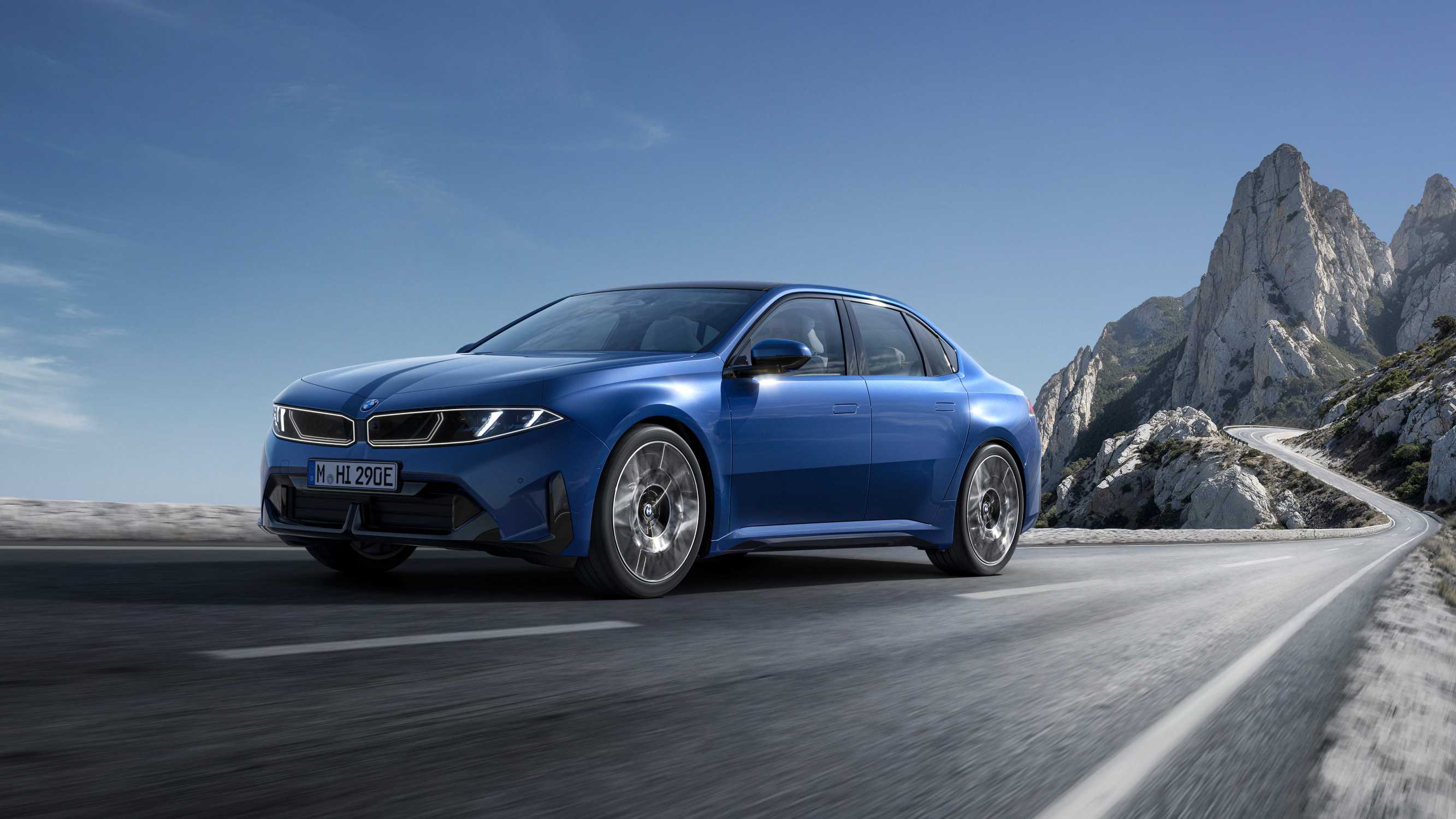
The second product to be launched on BMW’s ‘Neue Klasse’ EV platform, even though the new i3 uses a nameplate from the company’s (recent) past, it looks to a bright new future from the German outfit. This is effectively an all-electric 3 Series with a sharp, angular body, so you can imagine how good it is going to be to drive. And with its huge 108.7kWh battery pack fitted to the dual-motor model announced so far, the i3 50 xDrive, BMW reckons its attractive four-door can go up to 900km to a charge.
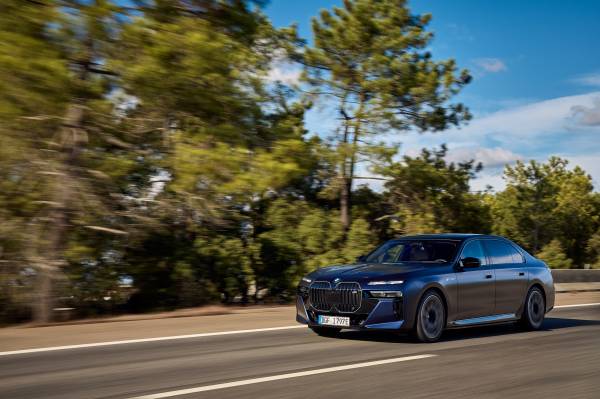
Striking looks have been a hallmark of many BMWs of recent years, but the present generation of 7 Series, and its electric variant known as the i7, has been particularly eye-catching ever since it launched in 2022. However, the German company has upped the aesthetically challenging stakes once again with the midlife update of the i7, doubling-down on the ginormous kidney grilles and the car’s monolithic appearance. Technologically advanced and super-sumptuous within, the i7 has two all-wheel-drive models (both fitted with an enormous 112.5kWh battery) that can go up to somewhere in the region of 730km to a charge – choose from the 5.5-seconds-to-100km/h 50 xDrive or the even more potent 60 xDrive, which’ll run the benchmark sprint in 4.8 seconds.
Cupra Raval
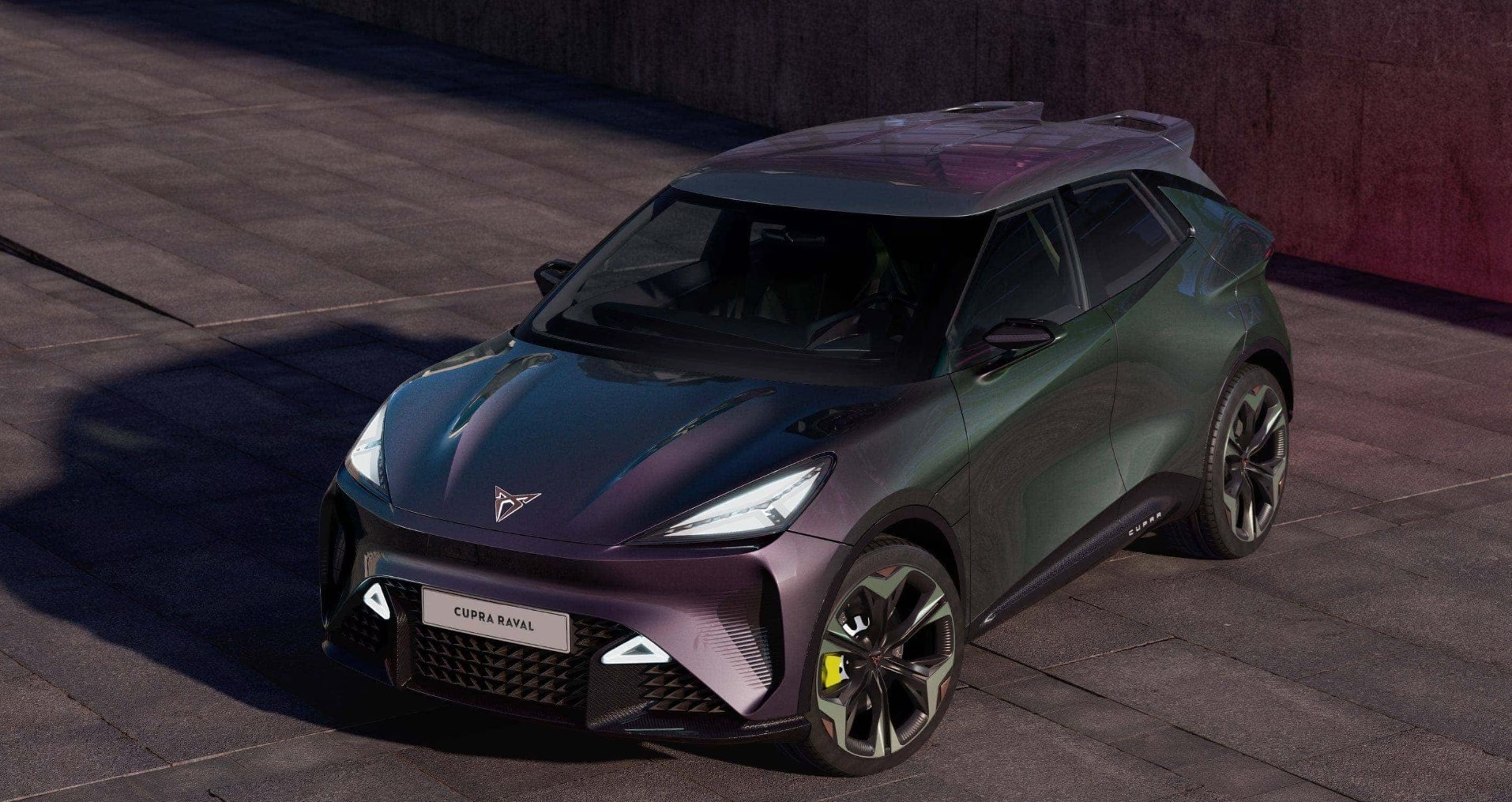
The sharp, edgy and likeable Cupra Raval is at the vanguard of a wave of Volkswagen Group products all coming on its new, front-driven MEB+ EV platform, and it was the Spanish firm which took the lead in developing this chassis. That means the Raval is a pioneer, and there will be no fewer than five versions of it, all spun off two battery packs – these rated at 38- and 52kWh. On the smaller unit, two derivatives of the Raval will have either 116- or 135hp and are capable of 318-323km of range. Stepping up to the 52kWh battery, power rises to either 211hp – this being the longest-range variant in the range with a 448km capability – or 226hp on the range-topping VZ. The range on this last one dips to 394km.
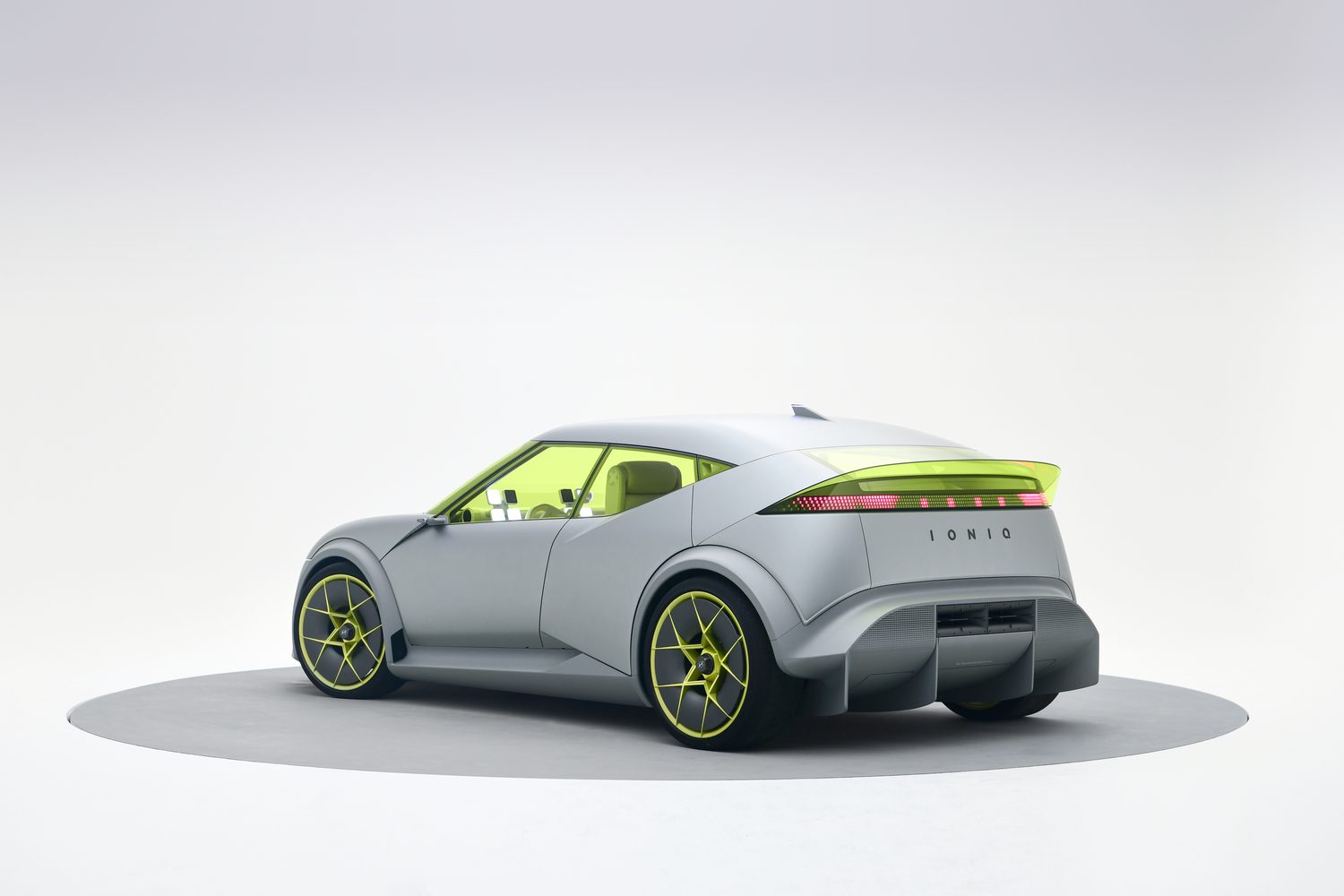
With its sleek and sporty looks on the outside clothing a surprisingly roomy interior, the forthcoming Hyundai Ioniq 3 is a massively important car for the Korean manufacturer – and one we’re really keen to try. It looks great and will, for the time being, form the entry point to the wider portfolio of Ioniq-badged Hyundai EVs, with the 3 coming with a choice of 42.2- or 61kWh battery packs. Selecting the former unlocks a range of 335km, while stepping up to the latter boosts that stat to somewhere beyond 490km, while power is offered from 135-147hp, providing a 0-100km/h time in the zone of nine to nine-and-a-half seconds.
Mercedes C-Class Electric
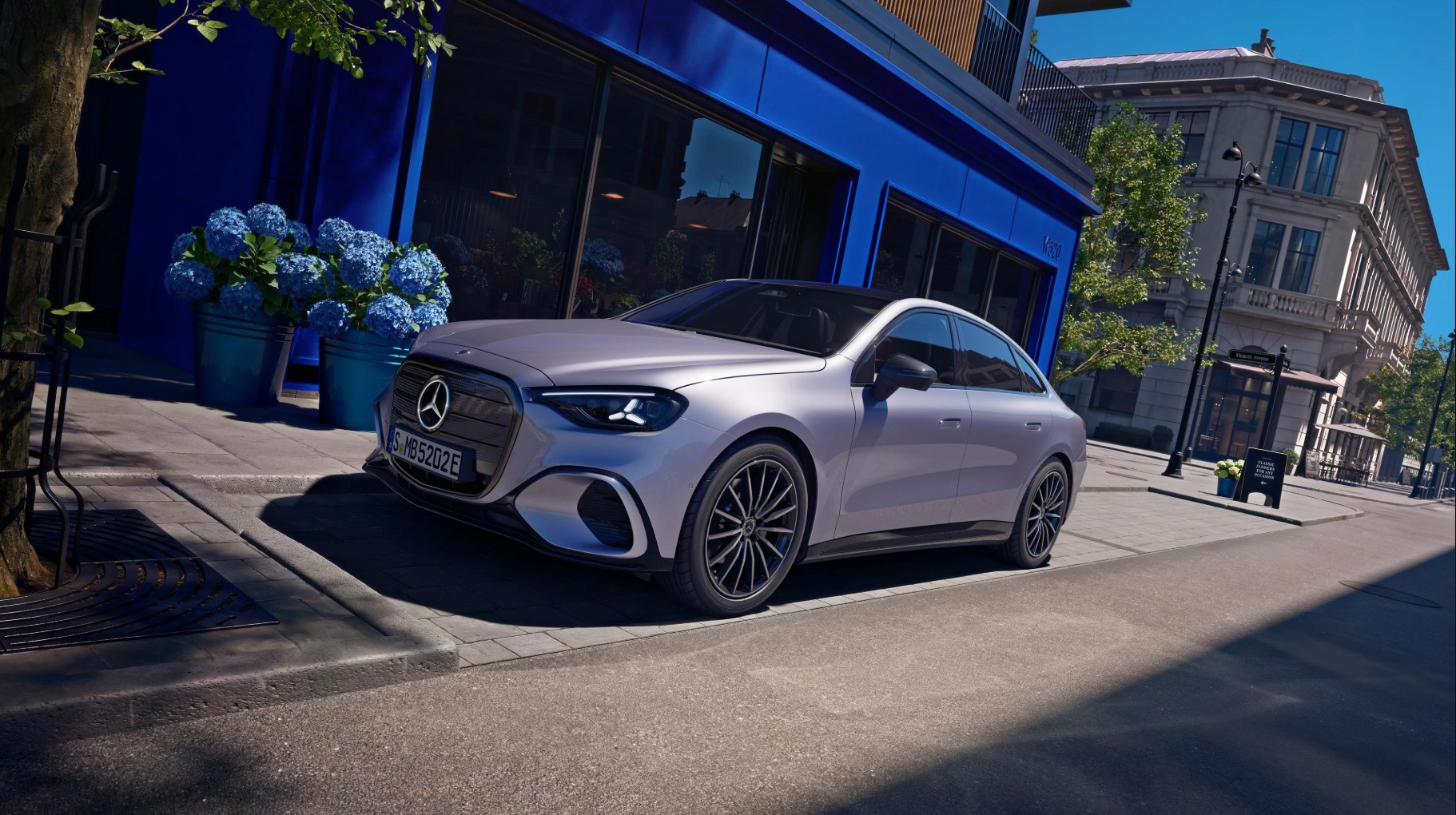
Continuing the simplification of the Mercedes EV naming policy, this incoming direct rival to the BMW i3 already mentioned on this list is not going to be called the EQC Saloon, but simply the C-Class Electric. These two German heavyweight rival companies have been duking it out for decades and the C-Class Electric v i3 battle is just the latest chapter in the story. Ultimately, in a game of Top Trumps, at the moment the Mercedes is behind its Bavarian nemesis, but with up to 762km of range available from the 94kWh-battery C400 4Matic, the Benz is hardly lacking in the distance stakes. Its advanced 800-volt electrical architecture also allows for super-fast charging speeds, while 489hp and its all-wheel-drive nature see it rocket from 0-100km/h in just four seconds.
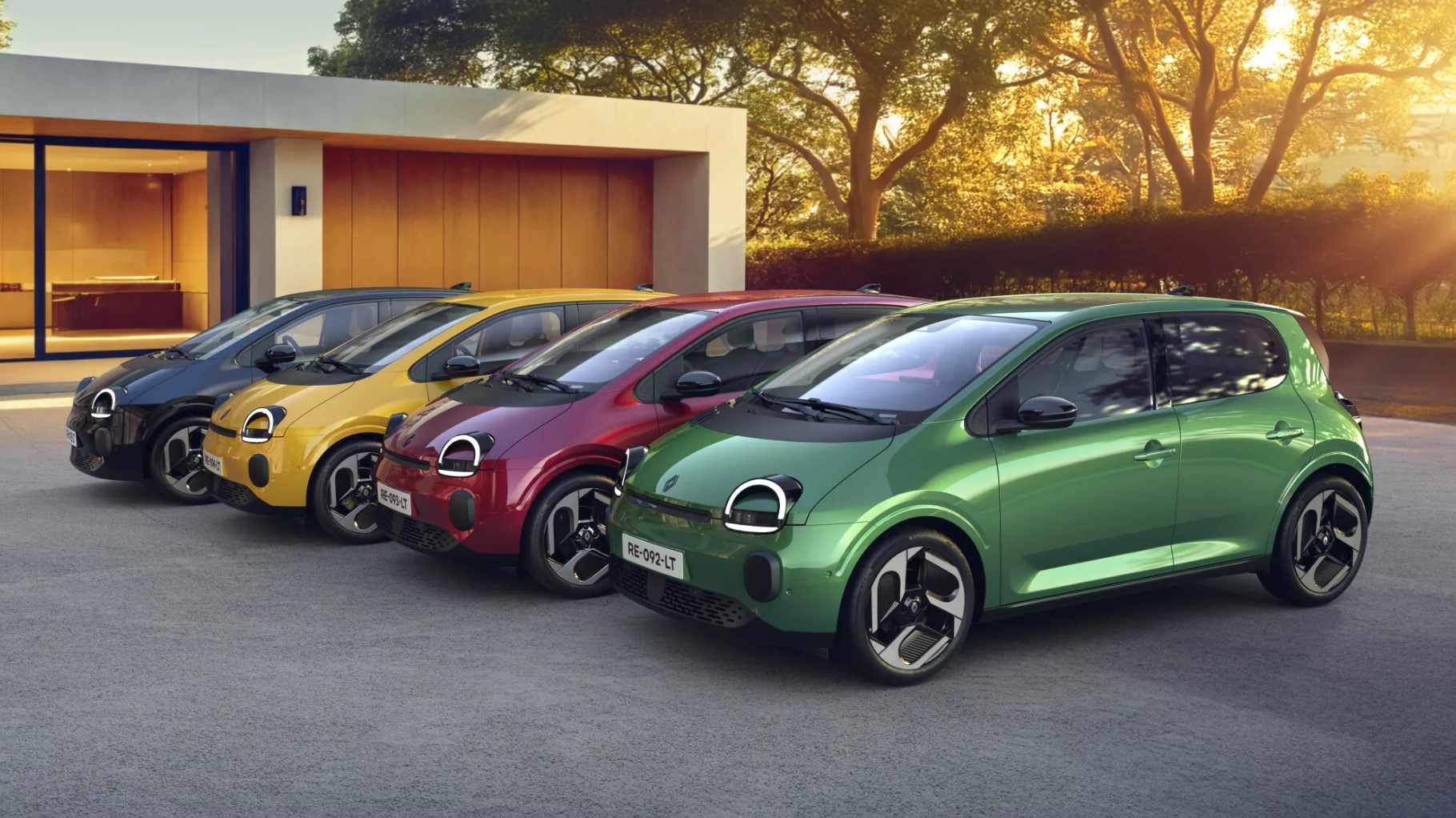
Renault has already smashed the ultra-desirable, affordable EV ball right out of the park with its superb 5 and 4 E-Tech models, but here comes another winner from the French firm in the form of the super-cute Twingo. This one is going to be the most inexpensive of the lot, as it’s a city car with a small 27.5kWh battery (official range: 263km), but with its looks riffing off the original Twingo of the 1990s, as well as a surprisingly practical interior and engaging driving manners, this could become the new star of Renault’s all-electric range.
Skoda Epiq
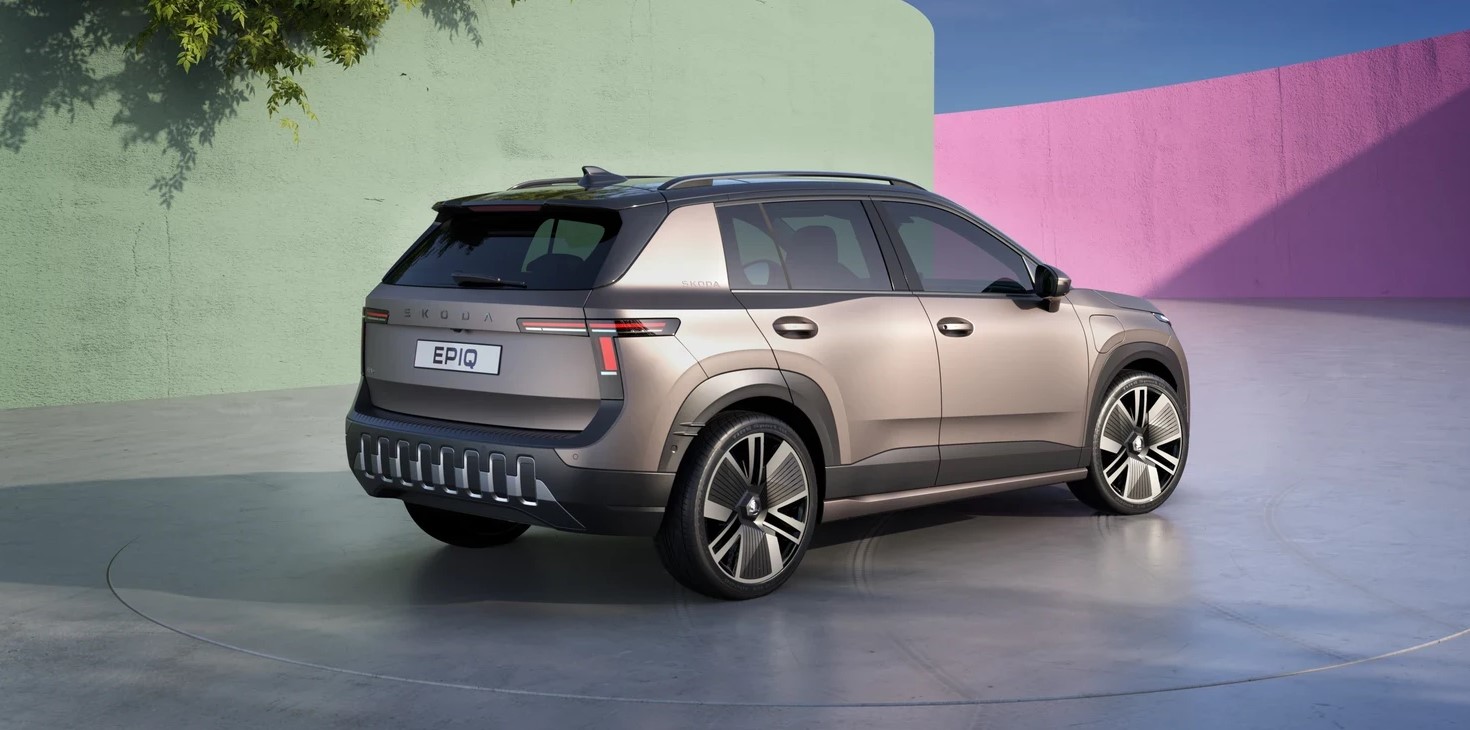
The Epiq will be the third, and smallest, of Czech firm Skoda’s electric SUVs when it arrives later this year, joining the Elroq and Enyaq models in the manufacturer’s portfolio. It is based on the same underpinnings as the Cupra Raval, but where the Spanish firm has gone for a sporty hatchback, Skoda has stayed true to its pragmatic roots with this bigger-bodied and roomier vehicle. Three models will have two battery pack sizes of either 38- or 53kWh capacity, and will go under the names of 35, 40 and 55. The range of the Epiq will therefore be anywhere between 315- and 430km, while the power spans anywhere from 115- to 210hp accordingly.
Skoda Peaq
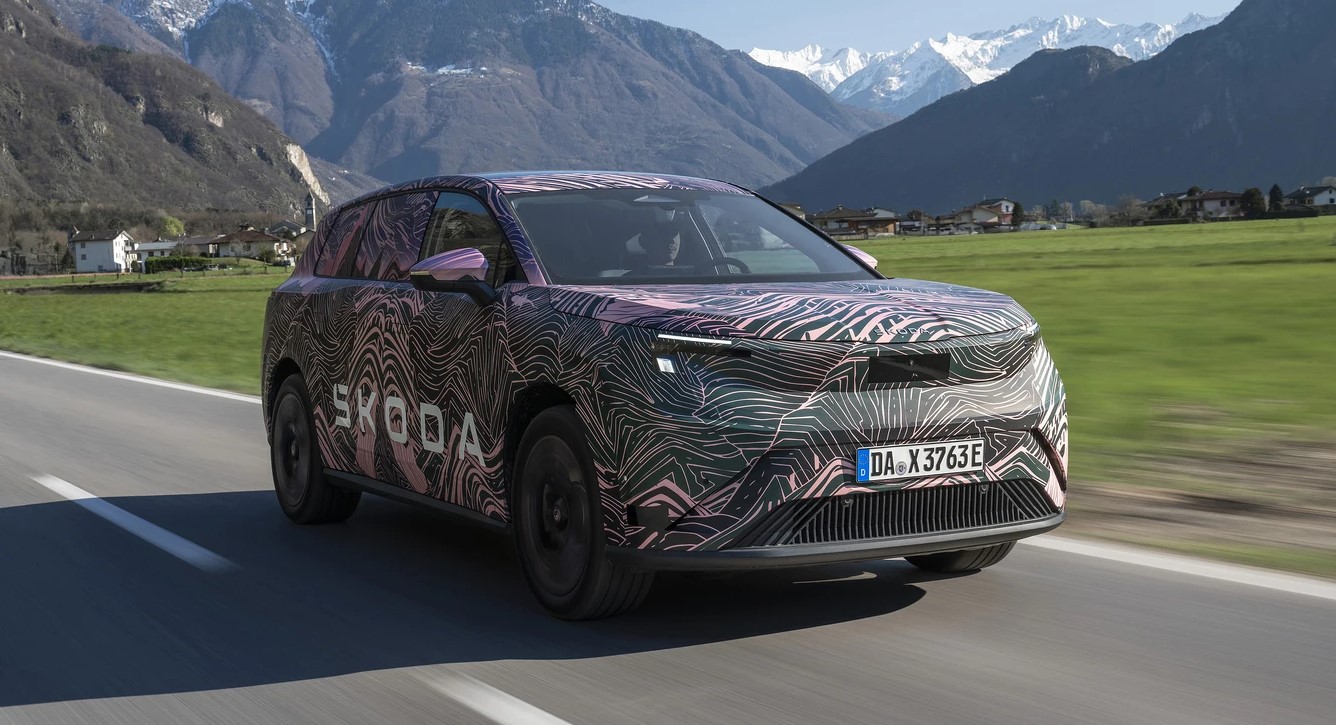
And no sooner will the Epiq have arrived, swelling Skoda’s electric SUV ranks to three, than the fourth entrant will come along to join them. It sits right at the other end of the range from its similarly fresh relation, as the mighty Peaq is the grandest model with – for the first time in a Skoda EV – the option of seven seats. Power runs from 204- to 299hp, while single- and dual-motor models will give buyers plenty of drivetrain choice. Two batteries will be offered in the Peaq, with a 63kWh unit supplying up to 438km of range, while the larger 91kWh battery will deliver up to 620km of driving capability between charges, depending on how many electric motors it is attached to.
Subaru E-Outback
Subaru’s EVs are linked to a few Toyota models, so the E-Outback tested here is related to the Toyota bZ Touring. It’s Subaru which developed this appealing all-electric off-road estate in the main, though, and it provides something different in the wider EV scene which gives the E-Outback an appeal all of its own. Spacious inside and blessed with a big boot, the Subaru is good to drive and has 381hp from the solitary dual-motor powertrain offered – good enough to propel this zero-emission wagon from 0-100km/h in just 4.5 seconds. The 74.7kWh battery, meanwhile, can propel the Subaru E-Outback up to 526km at a time between charges.
Subaru Uncharted
The Subaru Uncharted is related to the Toyota C-HR+, and is a great all-round EV contender. Its slippery shape is pleasing to look at and the interior is solidly built, while there’s a lot more powertrain choice for an Uncharted buyer than there is for customers in the brand’s E-Outback clientele, as the former comes with two battery pack options and three power outputs. The single-motor Subarus are front-driven and have either 57.7- or 77kWh to play with, and the associated power figures are 169- or 221hp, respectively. Those wanting more punch should look at the dual-motor AWD Uncharted though, which has 338hp and a 5.1-second 0-100km/h time. As it uses the same 77kWh battery as the 221hp car, this means the AWD Uncharted can go up to 525km to a charge, while the single-motor alternative can hit 600km between top-ups; the 57.7kWh Subaru, meanwhile, comes in with a range figure of 455km.
Volkswagen ID. Cross
Volkswagen is in the process of switching all its ID. family of EVs to more recognisable nameplates from its past, so the smallest SUV-shaped car the German firm does – the T-Cross – is going to lend its name to a zero-emission crossover called the ID. Cross. Using the MEB+ platform and a choice of two batteries, of either 38- or 52kWh capacity, the ID. Cross will be an affordable way into electric Volkswagen SUV ownership, and a range of power outputs from 116- to 211hp should help it go down the road in a swift fashion.
Volkswagen ID. Polo
Linked to the ID. Cross above, and related to both the Cupra Raval and Skoda Epiq elsewhere on this list, the Volkswagen ID. Polo is arguably the most important version of all four as it uses an automotive badge which dates back to the 1970s. A familiar set of stats is available for the ID. Polo as its aforementioned stablemates, so there’s the same selection of 38- or 52kWh battery packs, with power ranging from 116hp all the way up to 226hp. That last figure distinguishes the ID. Polo from the ID. Cross and Epiq SUVs, and it’ll confer the hallowed VW ‘GTI’ moniker on the range-topping version of this German electric hatchback.
Volvo EX60
Volvo has already given the world the EX30 and EX90 zero-emission SUVs, as well as the all-electric ES90 too, but this incoming midsized premium SUV has the toughest fight on its hands – it’s the EX60 which has to take on BMW’s mighty iX3. Still, Volvo appears to have given the EX60 all the necessary tools for the job, as three derivatives – called the P6, P10 and P12 – will be on offer. The P6 has a 374hp single-motor powertrain and an 80kWh battery pack, giving it 0-100km/h in 5.9 seconds and up to 620km of range. The 510hp P10 in the middle brings in twin motors and all-wheel drive, as well as a 91kWh battery pack, so its stats are 0-100km/h in 4.6 seconds and a theoretical 660km between charging sessions. And finally, sitting at the top of the tree is the monster P12, sporting 680hp for 0-100km/h in 3.9 seconds, as well as a 112kWh battery that’ll take it up to 810km in a single go.