With the festive season approaching, many of us are going to need our cars over the Christmas period as we travel all over the country – often in the most adverse of weather conditions – to see relatives and friends.
To that end, then, we’ve come up with our 12 top tips to ensure that your vehicle is ready and waiting to get you where you need to go, in the most reliable fashion.
Check your tyre pressures
Tyres have a recommended operating pressure – either measured in ‘psi’ or ‘bar’ – and if they’re over- or under-inflated, then they won’t operate as well as they should. Most garages have a high-pressure air machine that will not only measure your current tyre pressures, but will reinflate them to the correct pressures. All you’ve got to do is input the correct bar/psi into the machine on its digital display before you start. You’ll find the recommended values either in your car’s manual or printed on a label found inside the frame of one of the front doors or inside the fuel flap.
Check your tyres’ tread depth and their condition
Your tyres slowly wear out as you use them, which sees their tread depth – the grooves cut into the surface of the tyre which rolls along the road – slowly erode. Most new tyres come with 8mm of tread depth as standard, but the legal requirement for Ireland is to have at least 1.6mm of tread depth across the central three-quarters of the tyre as a minimum. It is recommended to get them changed well before they get to that level. While all tyres have in-built wear indicators in their treads, it’s not always easy for everyone to interpret these so instead try this trick: take a €1 coin and run it edgewise along the tread grooves. If you can see any of the gold edge of the coin at the bottom, where it’s running along the tyre’s groove, then the tyre is worn and needs replacing immediately.
Additionally, inspect the sidewalls – the bits of the tyres that face outwards from the car – for any signs of cracks or blisters. If any of these are present, the tyres need replacing regardless of the depth of their tread.
Consider swapping to winter tyres
Connected to both of the above points, it might be worth investing in a set of winter tyres. These are specially formulated to work better in cold conditions (less than 7 degrees Centigrade) than standard tyres. They will improve your levels of grip on snow and ice, and will reduce your stopping distances in freezing conditions, making the car safer.
Check all your lights work – and are clean
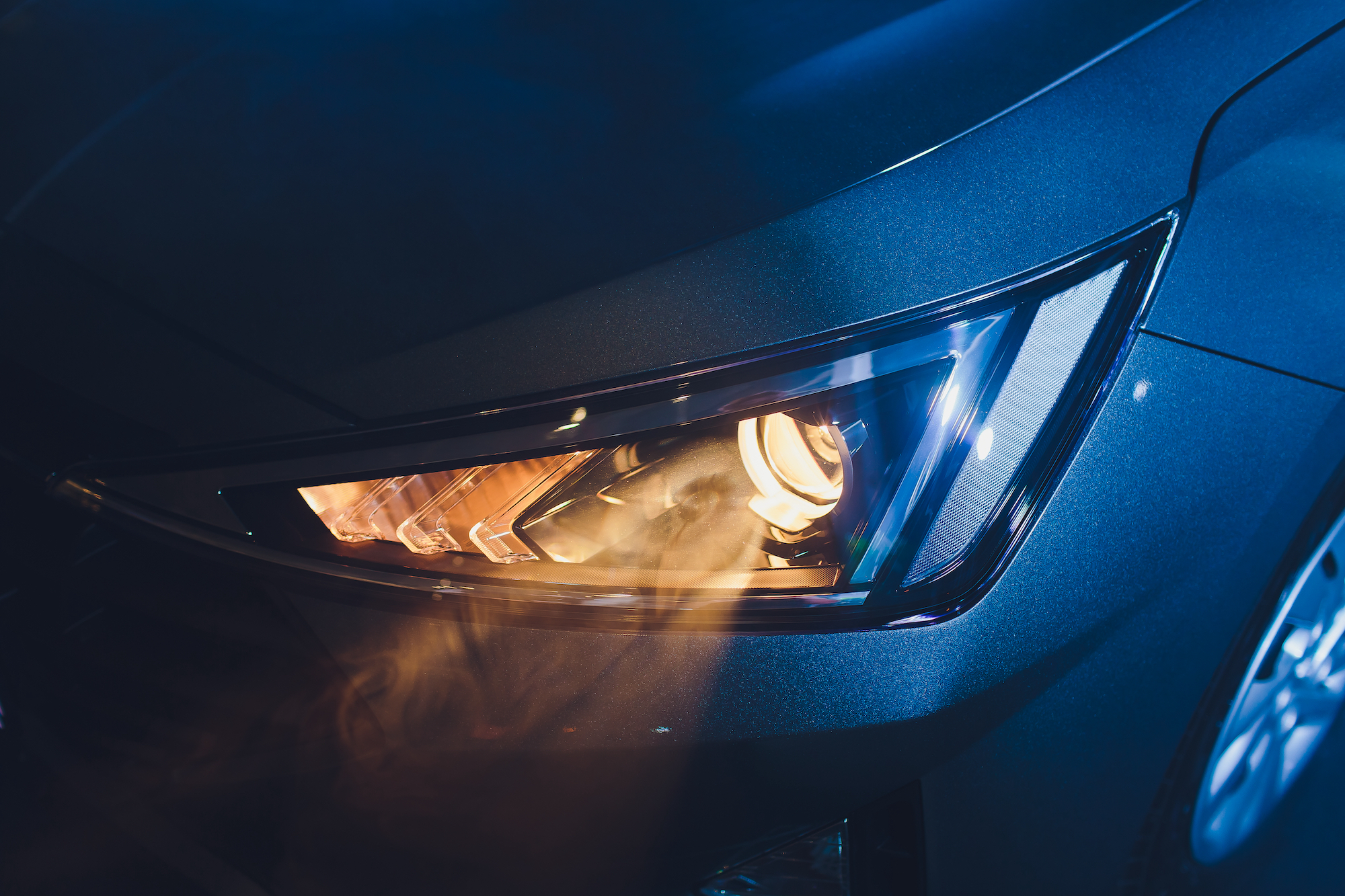
Get a friend or family member to stand outside your car while you run through the full roster of exterior lights – daytime running lamps (if your car is fitted with them), sidelights, dipped beam, main beam, indicators, rear lights, brake lights, reversing lights and fog lights (rear definitely, as all cars have them, but front ones too if you have them). If any of them are not working, get them sorted immediately. On older cars, this should be the matter of merely replacing a cheap bulb or two, but newer cars tend to have LED lights so you might need a garage to help out. Either way, have all of the car’s lights in functional order – and then make sure you keep their housings clean throughout winter by wiping the plastic lenses with a damp cloth or kitchen paper as required. It’s no good having fully working illumination if no one else can see your lights due to a thick layer of grime on their lens’ surface.
Check your wipers and washer nozzles
Listen for your wipers squeaking or juddering over the glass when you use them – this is a sure sign that the blades are worn and need replacing, which is a simple enough job to do once you’ve identified the correct replacement wipers needed (different cars have different-sized blades, so check your vehicle’s requirements online or at a motor factors). Try squirting the washer fluid and seeing if any of the nozzle jets which spray water onto your windscreens (front and back, remember) are blocked. If they are, use a small pin to poke into the nozzle jet to free up any grime which might be blocking it.
Refill your washer fluid with proper mix
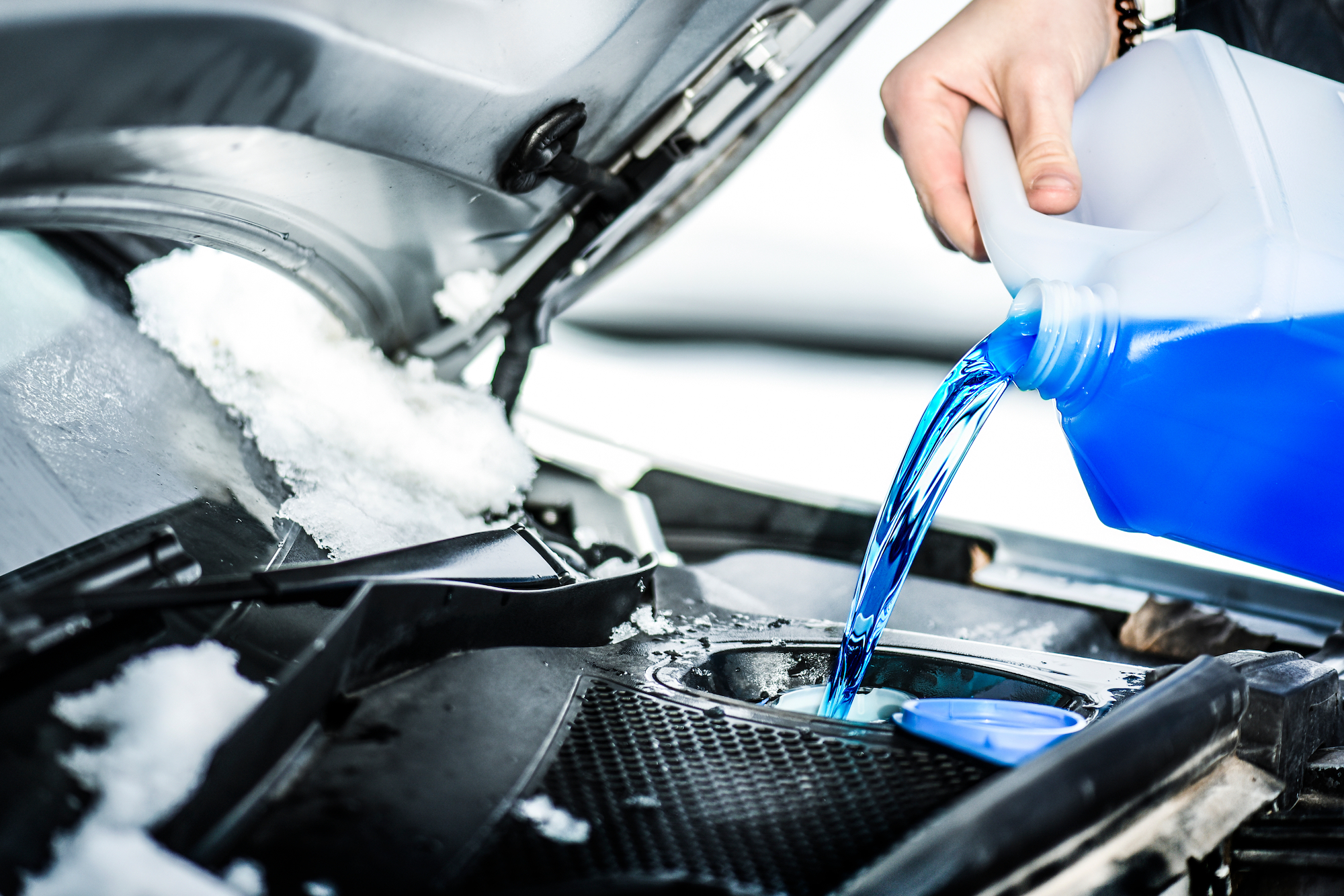
It’s essential you can see clearly out of your windscreen at all times and in winter, that’s doubly true. It’s also doubly hard to keep it spotless, as road spray creates a grey, speckled film on your windscreen on longer journeys. You therefore will be using your wash-wipe system a lot if you’re doing hundreds of kilometres, so make sure it is topped up before each and every journey. But not with plain water – that will freeze solid in the washer reservoir if the temperatures plummet. Instead, mix specially formulated screen wash with water as per the instructions on the back of the bottle. That way, you will always have the screen wash available to you on longer journeys.
Check your battery
Cold weather will make a car’s 12-volt battery that is on its last legs particularly unreliable – you might find you can’t start the vehicle on freezing mornings, for example. To check its health most accurately, you’ll need a voltmeter, which is an affordable piece of equipment. Attach the positive side of the voltmeter to the battery’s positive terminal, then put the negative wire to the negative terminal – you’re looking for a reading of between 12.4 and 12.7 volts. Anything lower than that, and the battery could be on its way out, meaning you’ll need a new one. This advice is not for electric cars, which have a completely different battery system running at a higher voltage – and it’s not generally accessible to the owner.
Check your coolant
Although this seems at odds with the prevailing temperatures at this time of year, your car’s engine – if it has one, as this piece of advice does not apply to electric cars – still runs hot and therefore needs proper coolant in its radiator and cooling system to function properly. Check the levels of the fluid in your coolant system and, if necessary, top up with the correct mix of antifreeze and deionised water according to your car’s manufacturer handbook.
Check your oil levels
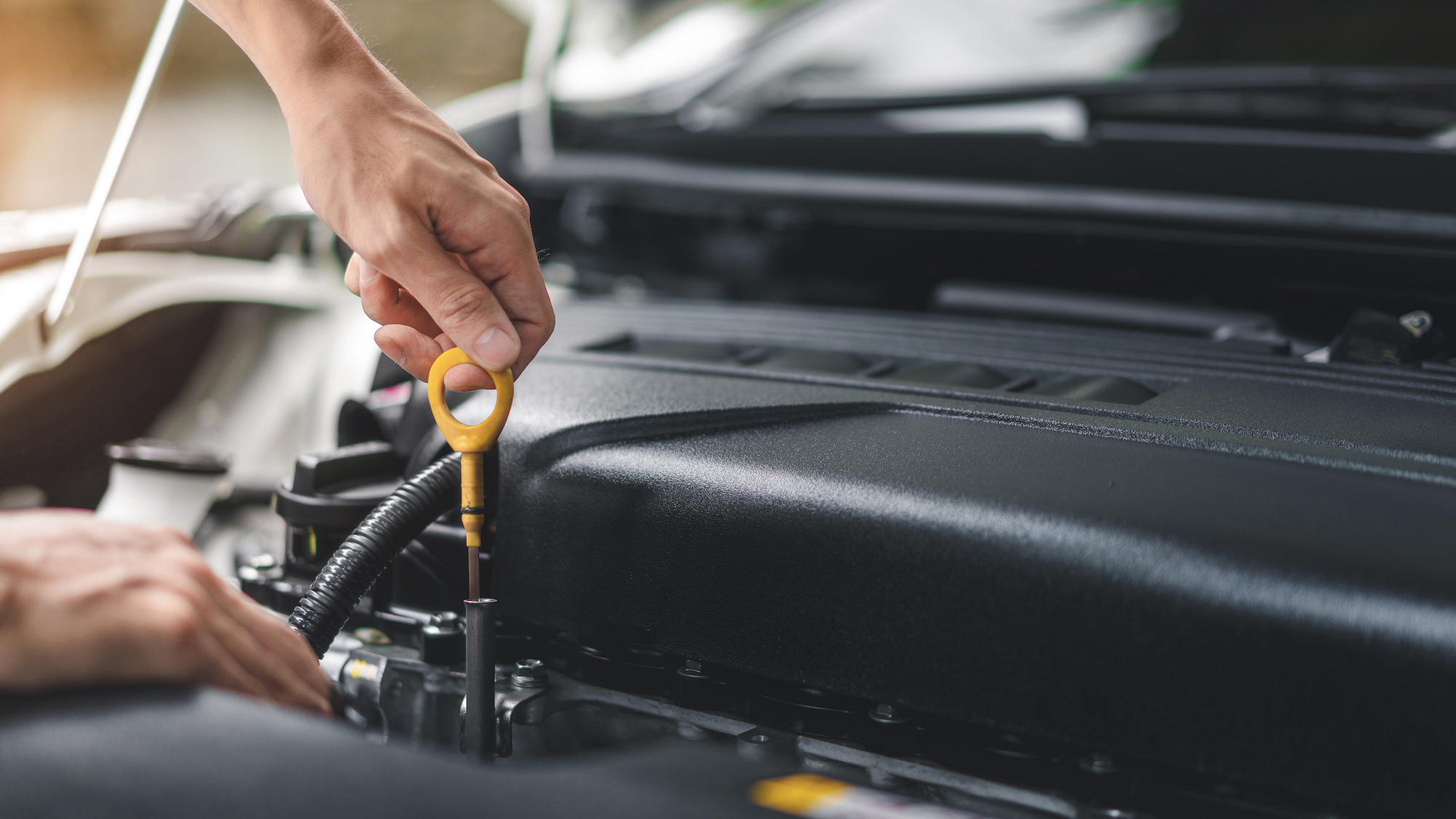
And just as a combustion engine needs coolant, so it needs oil to lubricate its moving parts and prevent a breakdown through the engine seizing. Every car will have a physical dipstick under the bonnet so use this to check the oil level. With the car on level ground and with the engine cool, but not cold – so, ideally, about 10-15 minutes after you’ve switched the car off after a journey – remove the dipstick, wipe it clean with a rag or cloth, and then reinsert it into the engine. Remove it again and check that the oil level is between the ‘MIN’ and ‘MAX’ marks on the dipstick (sometimes these are marked with simple lines); if it’s below ‘MIN’, you need to top up with a litre (or more, depending on the car) of the correct grade of oil before driving again. The correct grade of oil and its viscosity will be listed in the car’s handbook, or you can look it up online if you need to. Motor factors usually have a catalogue to allow you to check this, too.
Prepare a de-icer kit
For those cold mornings, have a proper ice scraper and a bottle of de-icer in the car at all times so that you can quickly and effectively remove ice from the windscreen in the event of hard overnight frosts. Neither of these items costs a fortune to buy and they’re essential to you ensuring good visibility out of the car on wintry driving days.
Prepare a roadside survival kit
No one wants to break down in their car over the Christmas period, but if you prepare for the worst then you’ll be OK in the event the vehicle does come to an unintended stop. Ideally, you want to create a ‘survival’ kit, which will include spare warm clothing and blankets, a high-visibility vest for each of the car’s occupants, a set of jump leads, an in-car phone charger, some non-perishable food or snacks and drinking water, a shovel, a torch, a towrope, an empty fuel can and a warning triangle, all of which will help if the vehicle is left stranded at the side of a snowy, slushy road. Pack this lot in the boot and keep it there over the Christmas period.
Get yourself some breakdown cover
If all else fails, make sure you’ve got adequate breakdown cover for your vehicle so that you can call for help in the event the car doesn’t make the Christmas journey you’re intending it to.