Parents, we know you may feel a little stressed this time of year.
We understand that going back to school is a moment of both joy and financial strain. The expenses associated with new uniforms, books and haircuts can be burdensome. On top of that, research suggests that families spend upwards of €400 annually on fuel and the wear and tear of their vehicles just doing the school run. In fact, that figure is from 2019, so you better believe it is even higher today. When you add this to the average cost of sending a child back to school, which stands at €1,220, the start of the new term can indeed become an expensive time of year.
At 8:50 am almost one in five vehicles on the road are engaged in the school run, with most of these journeys covering less than 1.6 kilometres. These congested, short trips can take a toll on your vehicle.
While the escalating back-to-school expenses might pressure your family budget, it's essential not to overlook your car's maintenance during this period. The last thing you want is a breakdown during the school run. I mean, what would the other parents say?
To help you avoid such a situation and reduce the stress and costs associated with the school commute, we've done our homework and compiled some practical tips.
Oil
Regular oil change: One of the most economical ways to keep your car running smoothly and prevent engine damage is to schedule regular oil changes.
Warm up: Allow your engine to idle for a few minutes before hitting the road. Oil functions optimally when warmed up, but since most school trips are short, the oil doesn't have sufficient time to heat up. Allowing the engine to warm up while you pack the car gives the oil a chance to reach its optimal temperature.
Brakes
Maintain your brakes: Given the presence of distracted schoolchildren on the road during the school run, you'll likely use your brakes frequently. Worn brake pads reduce braking efficiency and increase stopping distances, heightening the risk of accidents.
Read the road: Avoid abrupt braking, as it causes wear and tear on the brakes, necessitating more frequent replacements. Anticipate road conditions and adjust your speed to achieve a rolling stop. This not only conserves your brakes but also saves on fuel.
Filters
Maintain speed: Diesel cars typically feature a diesel particulate filter (DPF) that captures large soot particles and allows smaller particles and gases to escape. To ensure its performance, the filter needs regular emptying through a process called 'regeneration,' which occurs when the car is driven at higher engine speeds for ten to fifteen minutes. While this may be challenging during the school run, if your diesel car is primarily used for transporting kids, occasionally take it on the motorway to facilitate filter regeneration. Failing to do so can lead to clogging up of the DPF, which may mean expensive replacement.
Seats
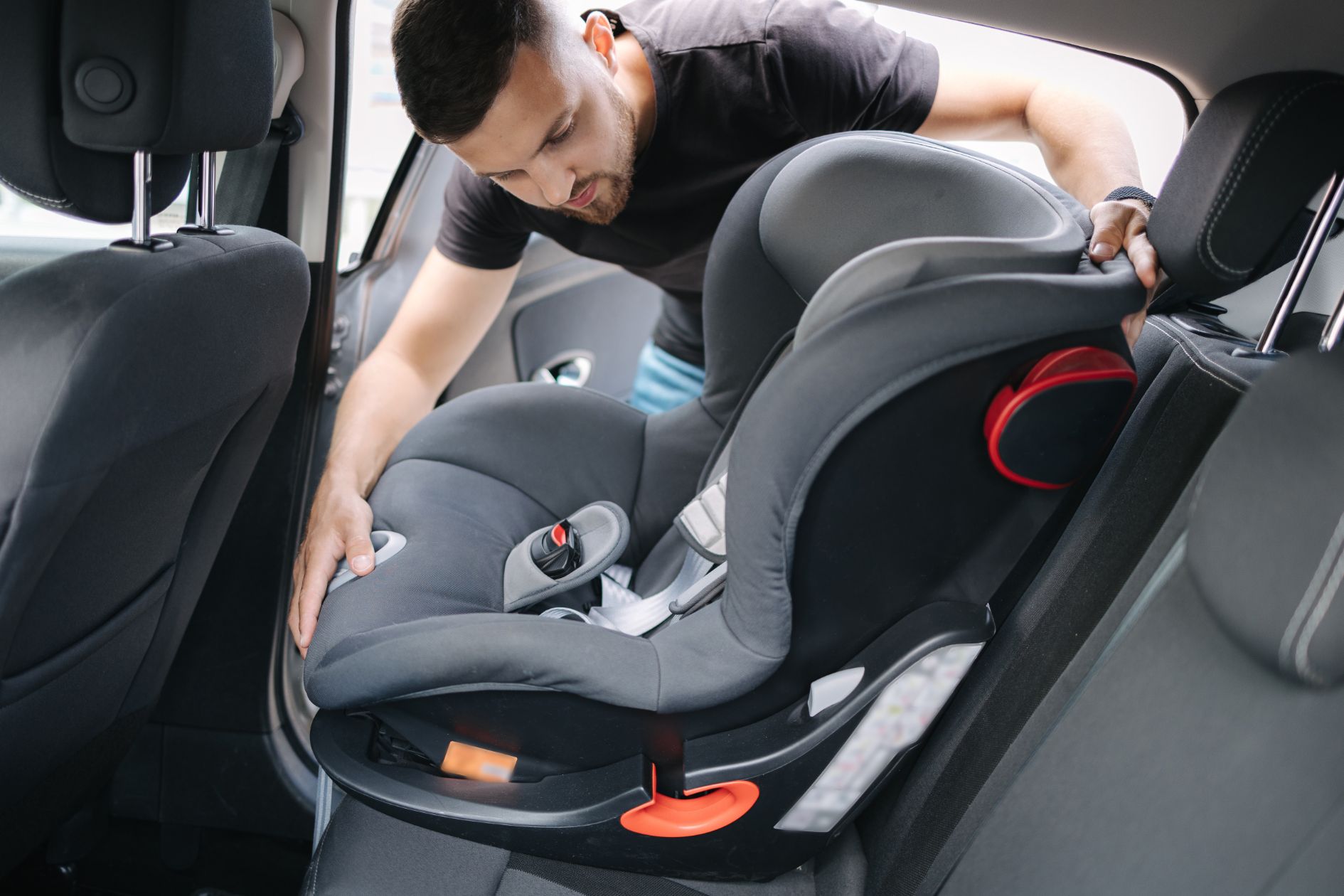
Child restraints: Avoid fines and ensure your child's safety. Inadequate child restraint systems can result in up to five penalty points and a fixed charge.
Always use the correct child seats, boosters and restraints. If carpooling, remember that it is the driver's legal responsibility to ensure that all passengers under 17 are properly restrained, whether they are your children or not.
|
Restraint |
Weight |
Age |
|
Rearward-facing baby seat |
Up to 13kg |
Birth to 12-15 months |
|
Forward-facing child seat |
9 -18kg |
9 months – 4 years |
|
Booster seat |
15 - 25kg |
4 – 6 years |
|
Booster cushion |
22 - 36kg |
6 – 12 years |
|
Seat belt |
36kg and over |
12 years and up |
Locks
Child locks: Activate the child locks for doors and windows to provide peace of mind, knowing that your children are secure and cannot open any doors or windows.
Walk
Opt for walking: To reduce wear and tear on your car and cut fuel costs, consider walking to school at least once a week if feasible. Not only will this save money, but it will also provide exercise for you and your children. Walking can be more enjoyable than being stuck in traffic, especially considering that most school trips are less than a 20-minute walk away. You'll even arrive before the first school bell rings, leaving stressed drivers in your wake.
Tyres
It's crucial to pay attention to the condition of your vehicle's tyres. Tyres are the only points of contact between your car and the road, and their condition significantly affects safety, fuel efficiency and overall vehicle performance.
Tyre pressure: Ensure your tyres are correctly inflated to the recommended pressure levels. Under-inflated tyres reduce fuel efficiency, increase the risk of blowouts and decrease overall handling capabilities.
Tread depth: Regularly inspect your tyre tread depth. Tyres with worn-out treads have reduced grip, especially on wet roads, which can lead to accidents. Replace tyres that are nearing the legal tread depth limit.
Wheel alignment: Misaligned wheels can cause uneven tyre wear and negatively impact your vehicle's handling. If you notice your car pulling to one side or you are experiencing steering wheel vibrations, get a professional to check and correct your wheel alignment.
Wheel balancing: Ensure your wheels are properly balanced to prevent uneven wear and vibrations while driving. Unbalanced wheels can lead to discomfort and may lead to premature tyre replacement.
By ticking these pointers off your to-do list, you not only enhance the safety of your school runs but also contribute to greater fuel efficiency and potentially extend the life of your car, saving you money in the long run.